
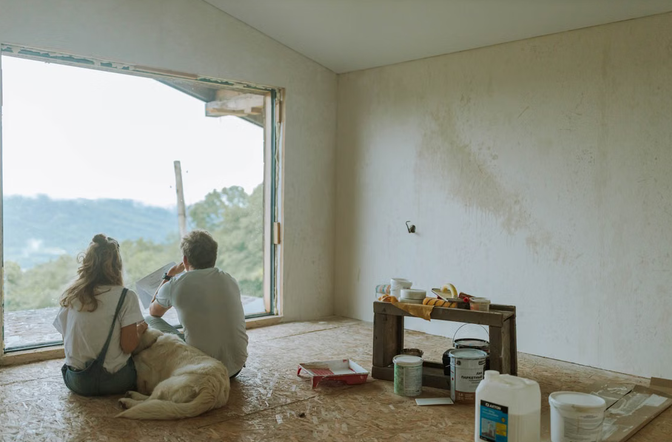
Renovation work can temporarily alter indoor air conditions because construction activities disturb materials and change how air moves through a building. Removing walls, cutting surfaces, sanding finishes, replacing flooring, and opening enclosed spaces can release previously contained particles. At the same time, workers may create new pathways between rooms by removing doors, ceilings, or partitions. These changes can affect how airborne material moves throughout the building. Even when the work is limited to one area, air movement can carry particles into nearby spaces and temporarily change the indoor environment.
How Dust Enters the Indoor Air

Dust is one of the most noticeable changes associated with renovation. Cutting, drilling, sanding, and breaking construction materials can generate fine particles that become suspended in the air. Their size affects how long they remain airborne and how easily they travel through a building. Larger particles tend to settle quickly, while smaller particles can remain suspended longer. Renovation dust can come from many different materials, including wood, plaster, drywall, concrete, and flooring products. The amount produced depends on the type of work and the materials being disturbed.
Changes Caused by Construction Materials
Renovation can also introduce substances into indoor air through paints, adhesives, sealants, coatings, and other building products. Some materials release volatile compounds as they are applied and during drying or curing. These emissions can temporarily change the chemical composition of indoor air and may be noticeable through odors. The concentration of airborne compounds depends on factors such as the product used, the quantity …