
Investing in solar panels is a critical step toward energy efficiency and sustainability for any homeowner. However, like any technology, solar systems do not maintain peak performance indefinitely. Over time, inefficiencies, wear and tear, and advances in solar technology may make your existing panels less effective than they could be. Recognizing the signs that your system requires an upgrade is crucial to maintaining optimal energy output and cost savings. For residents exploring energy solutions, consulting professionals, including reputable hilo roofing companies, can provide insights on whether your solar setup is due for modernization or replacement, helping you make informed decisions. Below are the top indicators that it might be time to upgrade your solar panels.
Decreased Energy Output
One of the most notable signs that your solar panels need an upgrade is a noticeable decline in energy production. Modern solar panels are designed to maintain high efficiency for many years, but older panels may lose their effectiveness over time. If your monthly electricity bills are rising despite similar energy usage, or monitoring software shows a drop in energy generation, it’s an indicator that your system may not be performing optimally. Upgrading to newer, high-efficiency panels can restore or even improve the output of your solar system, helping you save on costs of energy while reducing environmental impact.
Visible Wear or Damage
Physical damage is another key indicator that your solar panels may need attention. Cracks, chips, discoloration, or corrosion on panels can reduce their ability to capture sunlight effectively. Additionally, worn-out mounting hardware or loose connections can impact performance and safety. Even minor surface damage can affect efficiency over time. Regular inspections, ideally by certified technicians, can detect early signs of wear. Upgrading or replacing panels before extensive damage occurs ensures your system operates efficiently and safely for years to come.
Older Technology
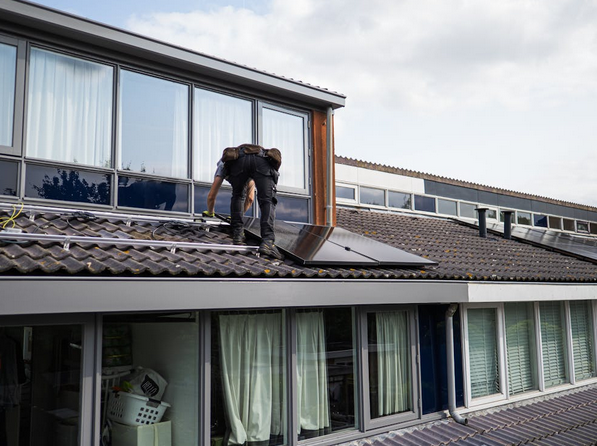
Solar technology has advanced rapidly in recent years, offering higher efficiency, improved durability, and better integration with smart home systems. If your solar panels are over 10–15 years old, they may not harness sunlight as effectively as newer models. Older inverters, which convert solar energy into usable electricity, may also become less efficient or fail to support current energy demands. Upgrading your system with latest technology significantly boosts energy output, reduce maintenance issues, and provide enhanced monitoring options for homeowners seeking improved performance.
Changes in Energy Needs
Sometimes, the need for a solar panel upgrade is driven not by the system itself but by changing energy requirements. Home expansions, the purchase of electric vehicles, or increased electricity usage may push your current panels beyond their capacity. If your system can no longer meet your household’s energy demands, upgrading to a larger or more efficient setup is a practical solution. Doing so allows homeowners to maintain energy independence, reduce reliance on the grid, and accommodate future growth without compromising efficiency.
Increased Maintenance Requirements
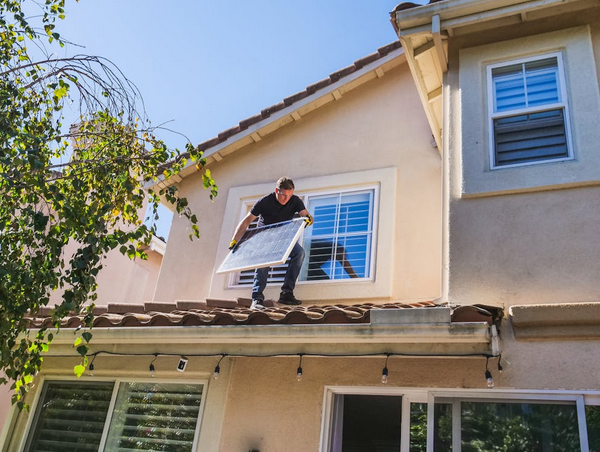
A solar system that demands frequent repairs or maintenance may be signaling that it is time for an upgrade. If you notice recurring issues such as inverter malfunctions, wiring problems, or panel inefficiencies, the cumulative cost of repairs might outweigh the benefits of maintaining an outdated system. Modern panels and components are designed to be more durable and need less maintenance, reducing the need for repeated intervention. Upgrading can offer long-term reliability and decrease unexpected repair costs, providing peace of mind and consistent energy savings.
Recognizing the signs that your solar panels need an upgrade is crucial for maximizing efficiency, reducing costs, and maintaining sustainable energy production. The top indicators include decreased energy output, visible wear or damage, outdated technology, increased maintenance requirements, and changes in energy needs. By paying close attention to these factors, you can make informed decisions about upgrading your systems before inefficiencies or failures become costly.