
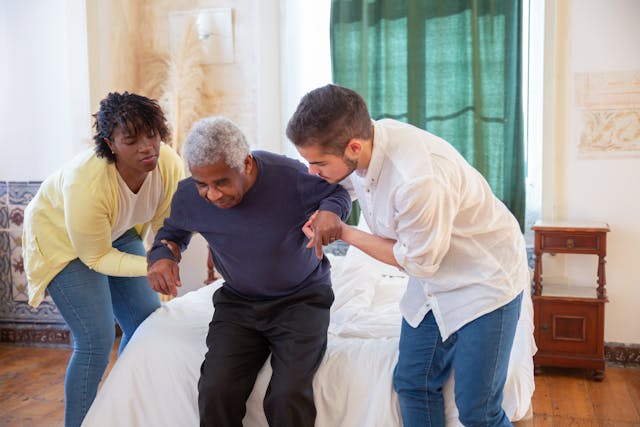
Aging is a natural part of life, and many people desire to remain in their beloved homes as they grow older. The idea of aging in place has gained traction, allowing seniors to maintain independence while surrounded by familiar comforts. But how do we make our spaces safe and functional without sacrificing style? Transforming your home into an oasis of accessibility can seem daunting at first glance. However, with practical solutions and clever design choices, you can create an environment that caters to both comfort and aesthetics. Let’s explore the world of aging in a place where safety meets elegance and discover how small adjustments can lead to significant improvements for those golden years ahead.
What Is Aging in Place?
Aging in place refers to the ability of older adults to live independently in their own homes as they age. It allows individuals to maintain their routines, social connections, and a sense of belonging. This concept embraces the idea that with proper modifications and support, seniors can navigate daily activities safely. Home is where memories are made; keeping those cherished moments alive enhances overall well-being. The movement towards aging in place emphasizes personalized adaptations tailored to individual needs. This may include physical changes, like installing grab bars or widening doorways for wheelchair access.
The Benefits of Aging in Place
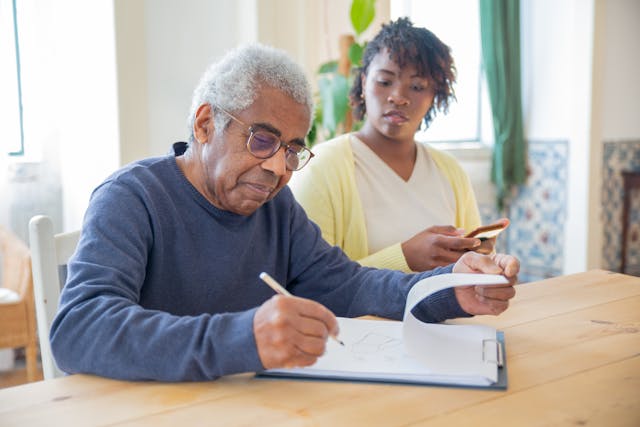
Aging in place offers numerous advantages that enhance the quality of life for seniors. It allows individuals to remain in familiar surroundings, surrounded by cherished memories and beloved belongings. Comfort is a major benefit. Living at home means access to personal routines and favorite activities without disruption. This familiarity can promote emotional well-being. Financially, aging in place often proves more affordable than relocating to assisted living facilities or nursing homes. Homeowners save on costly rent and additional fees while still enjoying independence.
Common Obstacles Faced by Seniors Living at Home
Seniors living at home often encounter various challenges that can impact their quality of life. Physical limitations are among the most significant obstacles. Simple tasks, like climbing stairs or reaching for items on high shelves, can become daunting. Safety is another concern. Many homes lack features to prevent falls and accidents, such as grab bars in bathrooms or non-slip flooring. This worry may lead to decreased confidence in moving around the house. Social isolation can also creep in as mobility decreases and driving becomes difficult. Losing touch with friends and family members creates feelings of loneliness.
Practical Solutions for Adapting Your Home
Creating a safe home for seniors starts with assessing their mobility needs. Install grab bars in bathrooms and hallways to provide extra support. These can be stylishly integrated into your decor. Consider re-arranging furniture to create wider pathways. This minimizes the risk of trips and falls, making navigation easier. Lighting plays a crucial role too. Invest in bright, energy-efficient bulbs, especially in stairwells and entryways. Motion-sensor lights are an excellent addition for hands-free convenience.
Stylish Design Ideas for Aging in Place
Creating a home that is both functional and stylish for seniors can be achieved with thoughtful design choices. Start by selecting furniture with soft edges to reduce the risk of bumps or bruises. Opt for pieces that are easy to get in and out of, such as chairs with armrests. Color matters too. Soft, contrasting colors help define spaces and make navigation easier. Use warm tones to create an inviting atmosphere while ensuring important areas stand out.

Technology and Tools to Aid in Aging in Place
Technology plays a pivotal role in supporting seniors who choose to age in place. Smart home devices can make daily tasks simpler and safer. For instance, voice-activated assistants allow for hands-free control of lights or appliances. Wearable technology is another game-changer. Medical alert systems provide peace of mind, offering immediate help at the push of a button. Many wearables also monitor health metrics like heart rate and activity levels. Home security features have evolved too. Cameras and motion sensors enhance safety by allowing remote monitoring from anywhere. This ensures that family members can keep an eye on their loved ones without intruding on their independence.
In Conclusion
Adapting your home for aging in place combines practicality with style. Each adjustment you make not only enhances safety and comfort but also reflects personal tastes. The journey of creating a more accessible living space can be enjoyable, allowing you to incorporate elements that resonate with your lifestyle. As we navigate the process of growing older, it’s essential to embrace solutions that empower independence while ensuring security.